13 Aug If AI Can Do the Work, Why Do We Still Need an Office?
If AI Can Do the Work, Why Do We Still Need an Office?
For the last five years, CEOs have been asking one question: do we still need an office?
It’s not just covid that changed the conversation. The pandemic changed where we work, but Artificial Intelligence is changing why we work together. If AI can draft presentations, summarize meetings, analyze data, write code, and automate routine tasks, the natural next question is:
What are people coming into the office for?
As people increasingly rely on AI for everything from writing presentations to planning projects, the physical workplace is actually becoming more important.
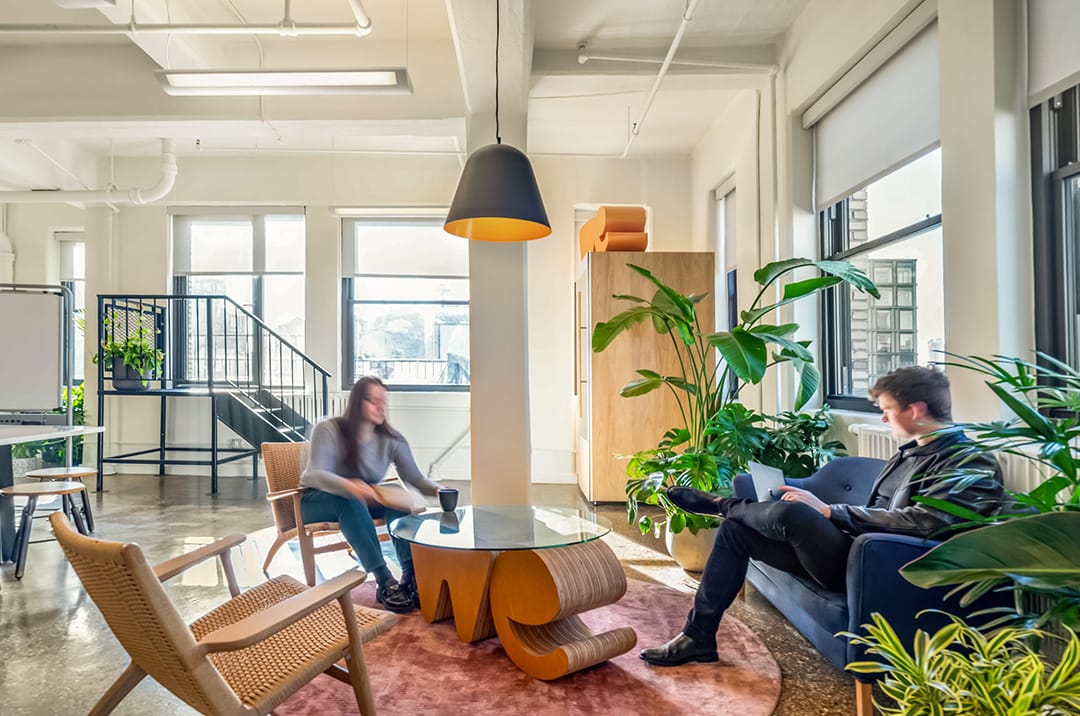
AI can’t replace human connection: mentoring, problem-solving, creative brainstorming, workplace culture, trust, and the spontaneous conversations that often lead to the best ideas.
The good news is, the office isn’t disappearing. It’s just getting a new job. This means workplaces designed around people more than processes.
In this blog, we explore five ways AI is reshaping the modern workplace, and five workplace shifts every CEO should understand.
1. AI Is Automating Tasks. Humans Need Better Spaces to Think.
Artificial intelligence excels at routine, repeatable work, but it can’t replace the human conversations that shape strategy, the mentoring that develops future leaders, or the creative sparks that come from people solving problems together.
This means the role of the workplace is changing.
Instead of being somewhere employees complete routine tasks, the office becomes the place where teams tackle complex challenges, exchange ideas, coach one another, and make better decisions together. For CEOs, this means designing environments that encourage thinking and connection.
2. The Era of Endless Desk Rows Is Ending.
Offices of old are centred around one thing: desks. Rows and rows of them.
But AI is of course shifting the balance away from routine individual tasks, towards higher-value collaboration, creativity and problem-solving.
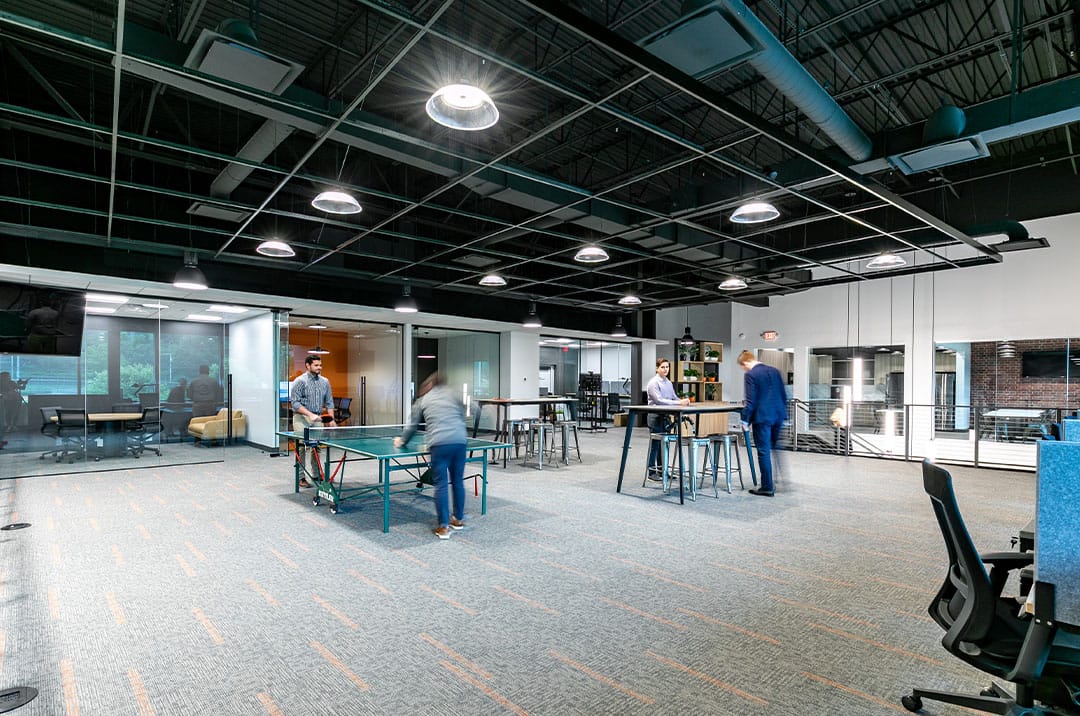
As a result, workplaces need to shift towards activity-based environments that include:
- Flexible collaboration hubs
- Quiet focus rooms
- Informal lounges
- Project spaces
- Multi-purpose meeting rooms
The age-old question “How many desks do we need?” should be replaced with: “What kinds of spaces help our people do their best work?”
3. The Best Workplace Technology Is Almost Invisible.
Ironically, the best AI-ready workplaces aren’t defined by more technology, but technology that quietly gets out of the way.
This looks like meeting rooms that connect hybrid teams effortlessly, booking systems that help employees find the right workspace, integrated AV, and AI tools that support meetings without interrupting them.
The goal is to remove friction, so people can focus on conversations, ideas, and collaboration (and not troubleshooting technology).
4. Your Greatest Competitive Advantage Isn’t AI. It’s Your People.
As AI becomes increasingly capable, genuinely human skills become even more valuable.
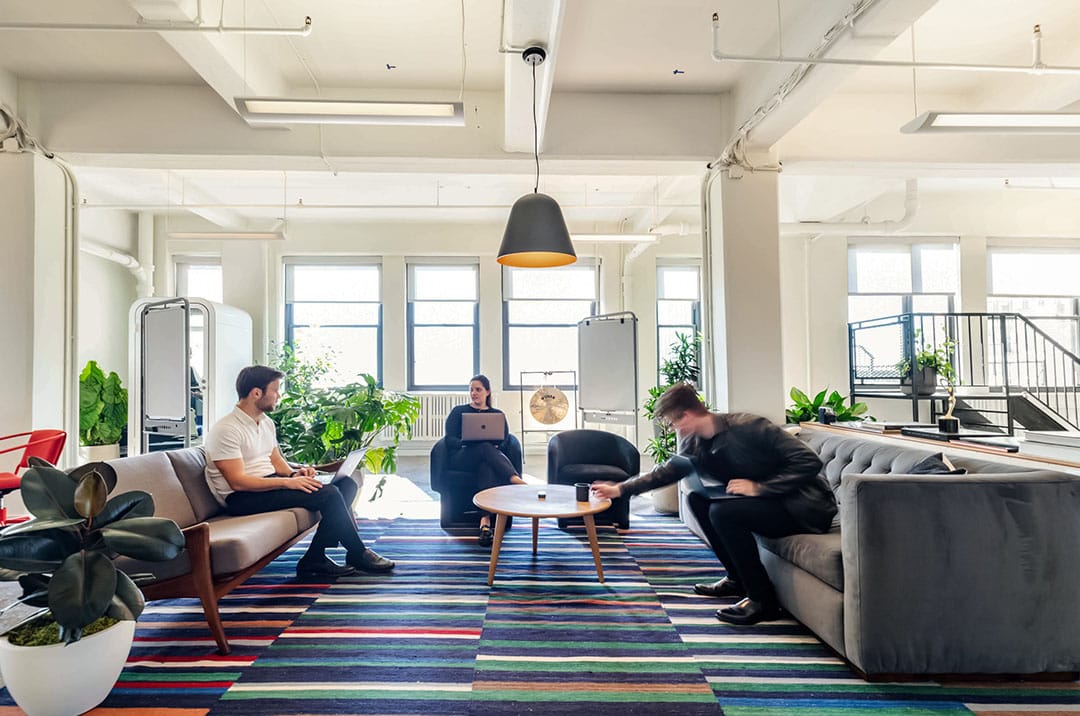
On the spot problem-solving, creativity, mentorship, trust and culture can’t be found online. They grow through shared human experiences, informal conversations, and working relationships built over time.
It’s one of the reasons workplace designers are talking less about designing for productivity alone, and more about creating environments that nurture community, creativity and connection.
The office is where relationships are built that help businesses thrive and that’s what we’re designing and building for.
5. The Office Has to Earn the Commute.
We’ve said it many times: employees don’t come to the office because they have to, but because they have something they can’t get anywhere else.
Today’s top workplaces need to create experiences that support learning, creativity, collaboration, wellbeing, and connection.
The most successful offices increasingly feel less like corporate headquarters and more like hospitality environments, comfortable, welcoming spaces where people genuinely want to spend time.
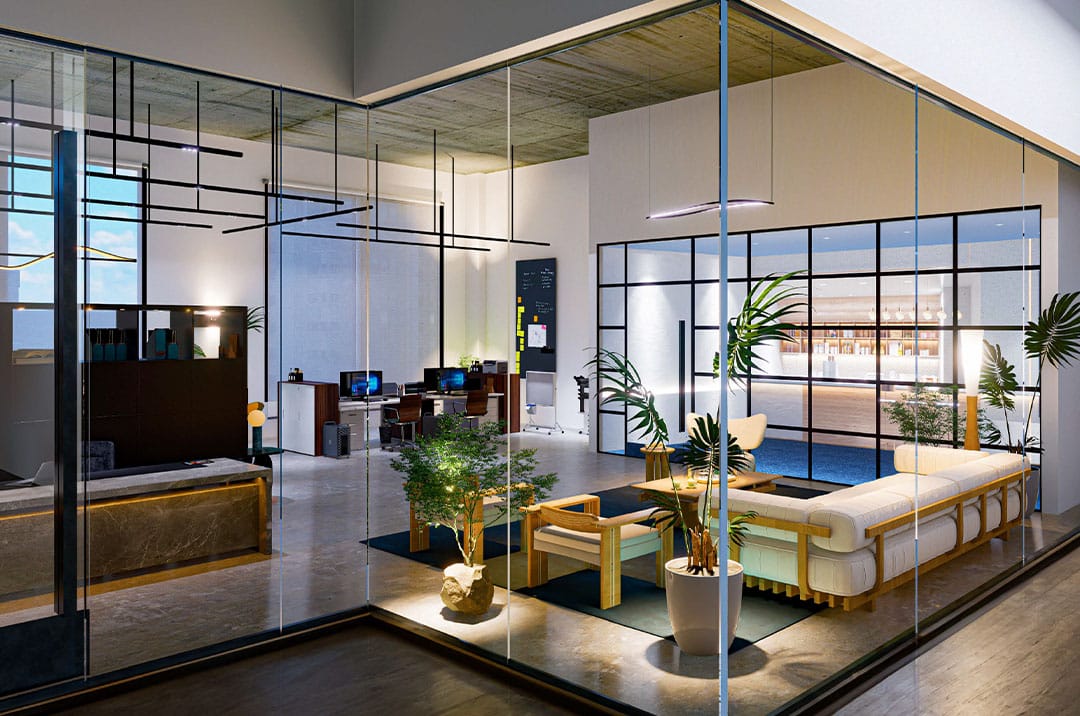
CEO Checklist: Is Your Workplace Ready for the AI Era?
The workplaces that perform best in the years ahead will not be defined by aesthetics alone. They will be flexible enough to respond to change, purposeful enough to support different types of work, and compelling enough to give people a reason to be there.
Before signing off on next year’s plans, ask whether your current office is:
- Do you provide spaces designed for collaboration, not just rows of desks?
- Does your office include quiet areas where employees can focus without distraction?
- Does your workplace technology support people seamlessly, rather than getting in their way?
- Can your office layout adapt as your teams, technology and ways of working evolve?
- Is your workplace somewhere your people genuinely choose to spend time, not simply somewhere they’re expected to be?
The Bottom Line
Artificial Intelligence isn’t making the office obsolete. It’s giving it a new purpose.
The future workplace will support the uniquely human skills that technology can’t replace – this is the question for CEOs.
At RI Workplace, we’ve always believed the office should be more than somewhere people are expected to be. It should be somewhere they choose to be.
Because in the age of AI, the office’s most valuable asset won’t be its tech, it’ll be the people inside it.