06 Jul 6 Things CEOs Should Consider Before Signing an Office Lease | RI Workplace
6 Reasons Your Next Office Lease Is Really a Talent Decision
Most office searches begin with a simple question: “How much space do we need?”
But after helping companies across New York and New Jersey evaluate, relocate, and transform their workplaces for more than three decades, we’ve found the most forward-thinking businesses are asking: “What kind of workplace will help our company thrive?”
In a world of hybrid work and rising employee expectations, the office has become a powerful tool for attracting talent, strengthening culture, supporting productivity, and shaping how employees experience the company every day.
This is why signing a new office lease isn’t just a real estate decision anymore. It’s a talent decision.
Before you sign on the dotted line, here are six things every CEO should consider.
1. Employees Have More Choice Than Ever
The office is no longer the only place people can work. Home offices, co-working spaces, local coffee shops. As long as there’s good wifi, it can be a good place to work.
Today’s employees know this and are weighing the commute, the work environment, the amenities, and the overall workplace experience when deciding whether coming into the office feels worthwhile or not.
Before signing a lease, ask yourself: Will people actually want to spend time here?
2. The Wrong Location Can Make Hiring Harder
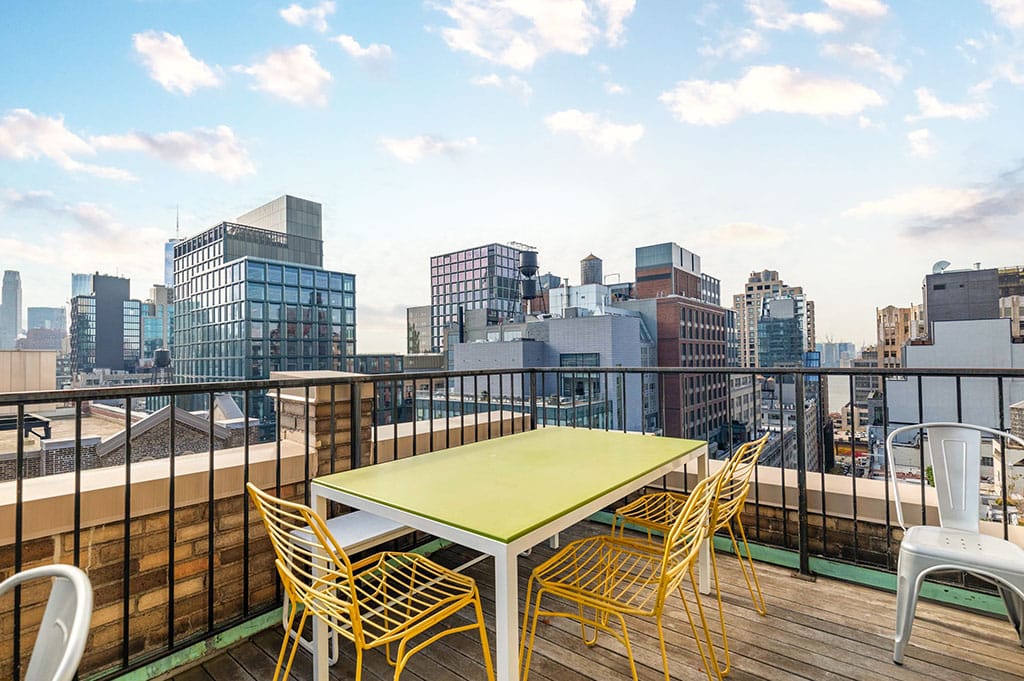
A great office in the wrong location can make hiring harder.
Access to public transportation, parking, nearby restaurants, fitness facilities, and other conveniences all influence how attractive a workplace feels to current and prospective employees.
When evaluating a space, think beyond the building itself.
Consider the experience employees will have before they even walk through the door.
3. Workplace Experience Matters More Than Size
For decades, office decisions focused on how many people could fit into a space.
Today, forward-thinking firms are considering: what kind of experience does this workplace create?
Employees expect spaces that support:
- Collaboration
- Focus work
- Wellbeing
- Flexibility
- Social connection
The most successful workplaces are designed around people, not just desks.
4. Your Workplace Shapes Your Culture
Company culture isn’t created by posters on the wall or words on a website.
It’s shaped by the day-to-day experiences your people have when they come to work.
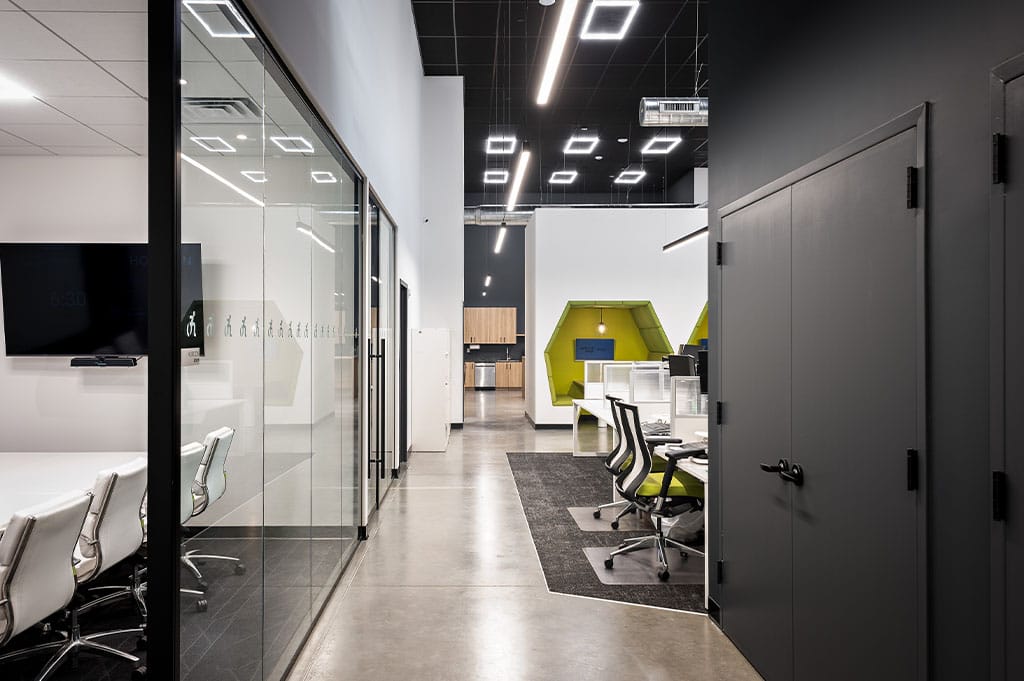
The workplace influences how teams collaborate, how leaders interact with employees, and how connected people feel to the business. It can encourage spontaneous conversations, support mentorship, and bring people together in ways that don’t happen over email or video calls.
The right space helps culture grow naturally. The wrong one can make it harder for people to connect.
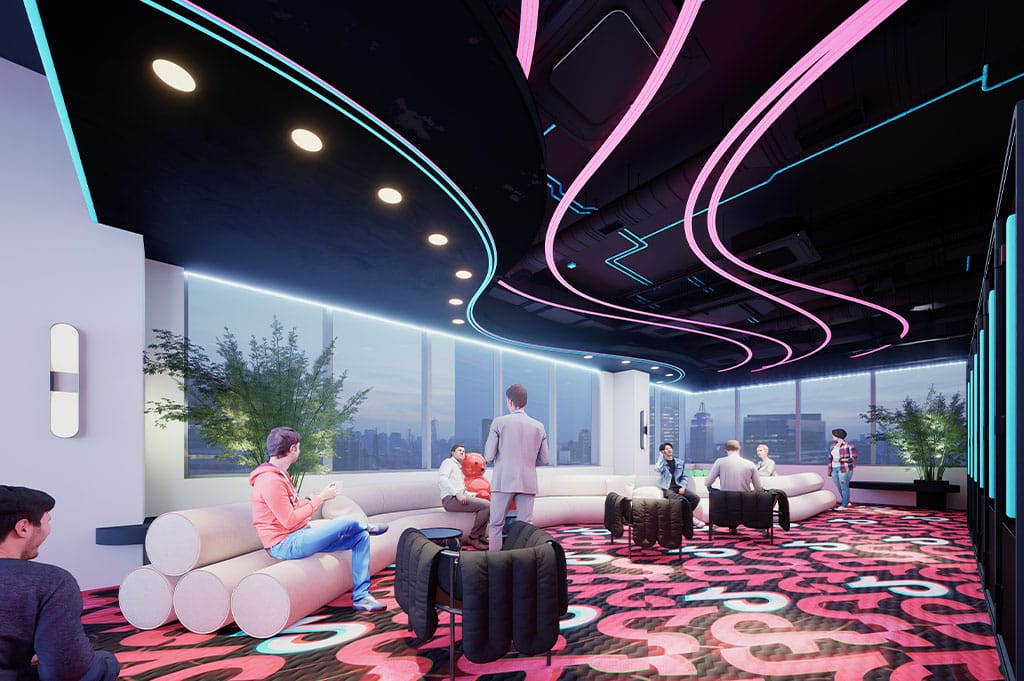
5. Your Office Is the Showroom of Your Brand
New clients, partners, and talent form opinions about a company within just a few minutes of walking into its office.
Your workplace sends powerful signals about your business, your values, and your ambitions.
And for this reason, your lease decision isn’t just about securing space.
It’s about choosing the environment that will represent your brand for the next chapter of growth.
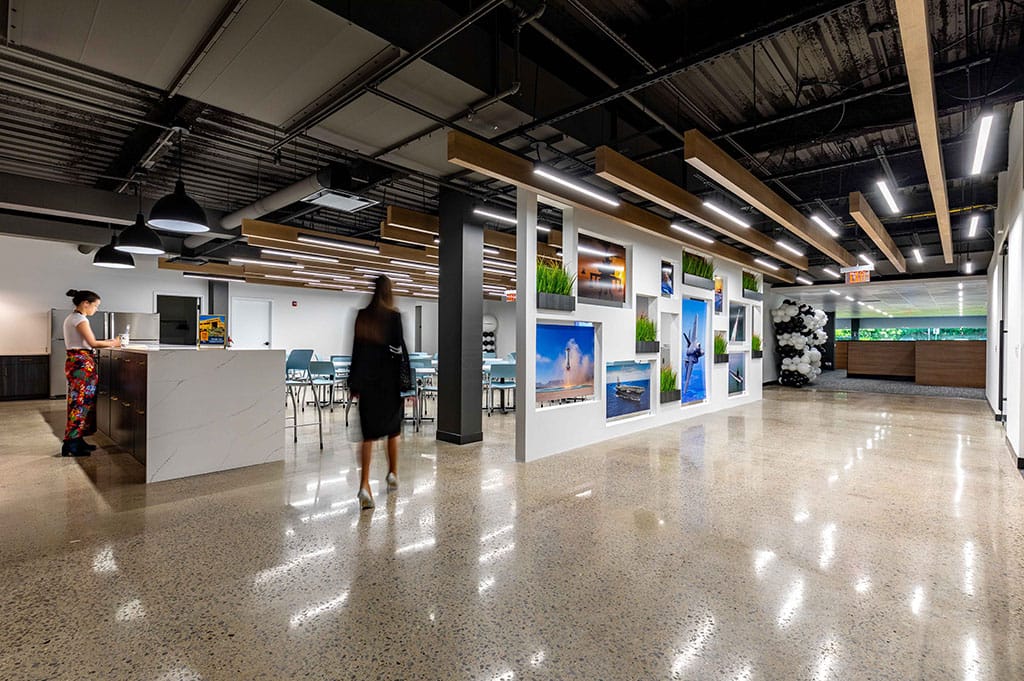
6. Plan for the Company You’ll Be in Five Years
One of the biggest mistakes companies make is choosing a space that only works for their current needs.
Before signing, consider:
- Growth plans
- Team structure
- Hybrid working patterns
- Future workplace trends
The best lease decisions support both today’s requirements and tomorrow’s ambitions.
The Bottom Line
When evaluating office space, it’s easy to focus on rent, square footage, and lease terms.
But the decisions you make today will influence your ability to attract talent, retain employees, strengthen culture, and support business growth for years to come.
That’s why your next office lease isn’t just about finding space.
It’s about creating an environment where people, and your business will thrive.
It’s a talent decision.
Let’s Talk About What’s Next
At RI Workplace, we’ve helped businesses across New York, New Jersey, and Connecticut evaluate, design, and transform workplaces that support both business goals and employee experience.