14 Oct 10 Signs Your Office Needs a Renovation | RI Workplace
10 Signs Your Office Needs A Renovation
Is your workplace looking more tired than usual? More empty desks than usual?
Employees choosing to work from home…again? That top Gen Z candidate who seemed less enthusiastic about the role after visiting your office? If you’ve noticed any of these symptoms, it could be that your workspace is no longer keeping up with your company – and goals.
The way we work has changed massively since 2020, but a lot of workplaces are still designed around the way people worked a decade ago.
So, how healthy is your office?
In our latest blog, we’ve put together a list of 10 signs of a below-par office along with advice on how to address the problems.
Sign 1: More Employees Are Choosing to Work From Home
You’ve introduced office days. You’ve encouraged people to come in. Maybe you’ve even added a few perks. But given the choice, many employees would still rather work from home.
Why? At home, employees may have control over their environment. They can choose somewhere quiet, adjust the temperature, take a call without disturbing anyone and work without a lengthy commute. If the office means unreliable technology, constant distractions, uncomfortable furniture and nowhere to concentrate, staying home is an understandable choice.
Solution: Make The Office Worth The Commute
Teams are expanding, contracting, and reorganizing. Employees are moving between individual work, virtual meetings, and in-person collaboration throughout the day.
In light of this, a fixed office layout can become a limitation.
Sign 2: Sick Days Are Creeping Up
Absence is increasing, energy feels low, or employees regularly complain about headaches, tiredness or simply not feeling their best in the office.
There can be many reasons for employee absence, and an office renovation isn’t a medical cure. But it is worth asking whether your physical environment is doing enough to support wellbeing.
Poor lighting, uncomfortable workstations, noise, limited access to daylight, stale-feeling environments and nowhere to step away and recharge can all make the workday less comfortable.
Solution: See Wellbeing As Part Of Workplace Design
Natural light, biophilic elements, good acoustics, comfortable furniture, improved environmental conditions and dedicated spaces to pause or recharge can all contribute to a more pleasant workplace experience.
Sign 3. Great Candidates Aren’t Accepting Your Offers
You’ve found the right person. The interviews went great. They seemed excited about the company. Then they visited the office. And somehow, the enthusiasm dropped.
Could the office space itself be to blame?
A dated reception area, tired furniture, poor technology or an uninspiring environment can tell a very different story from the innovative, ambitious business you’ve described during the interview process. For employees who have flexibility over where they work, they might well be asking themselves whether they want to spend several days a week here.
Solution: Make Your Workplace Reflect The Company People Want To Join
From the first impression at reception, to technology, collaboration spaces, amenities and overall atmosphere, the experience should reinforce your culture and ambitions.
Your office doesn’t need to look like everyone else’s idea of “cool.” It needs to feel unmistakably like you.
Sign 4. Your Meeting Rooms Are Full But Your Office Isn’t.
Half the desks are empty, but somehow, finding a meeting room at 10 a.m. is impossible.
This can signal a space-mix problem. Many offices were designed when individual desks were the main “event” and meeting rooms played a supporting role.
Hybrid working has changed that balance. People increasingly have reasons to come together for meetings, projects, brainstorming and conversations, while individual work can happen almost anywhere.
Solution: Ask “What do our people come here to do?”
You may need fewer traditional workstations and more huddle spaces, project areas, quiet rooms, flexible collaboration zones and multi-purpose meeting spaces. Sometimes, the answer isn’t more square footage; it’s making the square footage you already have work harder.
Sign 5. People Are Taking Calls in Corridors
Employees are making video calls from corridors, stairwells, cafés, or wandering around the office desperately looking for somewhere private.
This could mean your workplace was designed for a world before virtual meetings were a thing. Hybrid calls are now part of everyday worklife, but open-plan environments don’t always provide the privacy or acoustic control they require.
Solution: Give Different Activities Somewhere To Happen
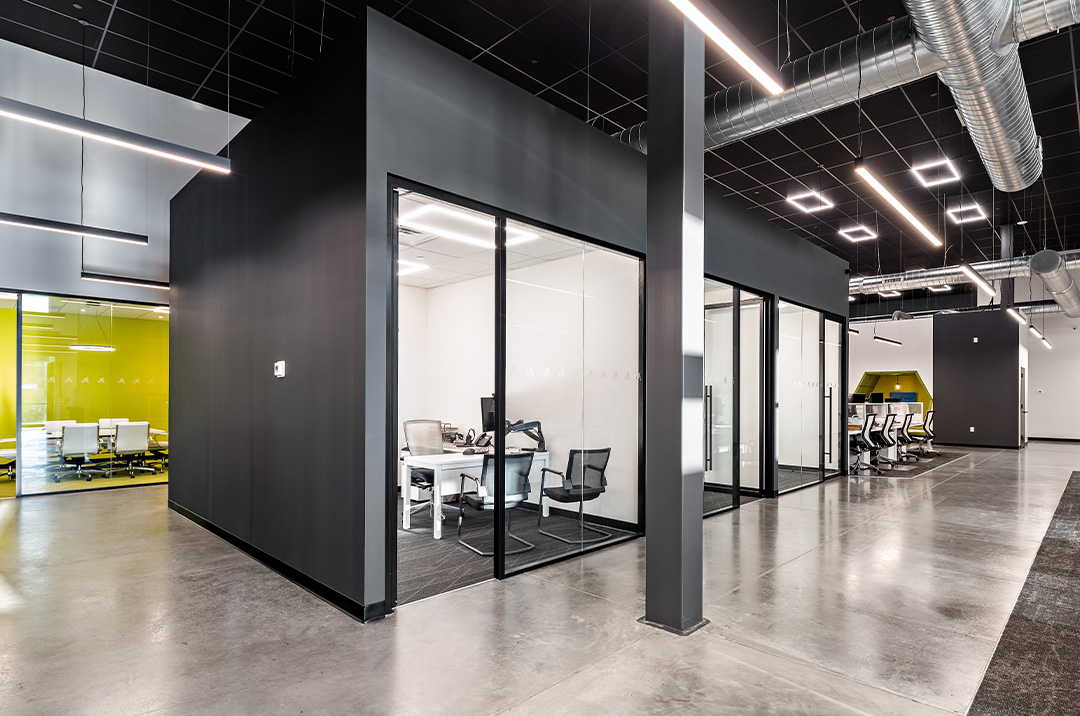
Phone booths, small focus rooms, acoustic treatments, hybrid-ready meeting spaces and quieter areas can give employees somewhere to talk without disturbing everyone around them.Phone booths, small focus rooms, acoustic treatments, hybrid-ready meeting spaces and quieter areas can give employees somewhere to talk without disturbing everyone around them.
Sign 6. Whole Areas Of Your Office Sit Empty
Have you noticed there are areas of your workplace that people seem to avoid?
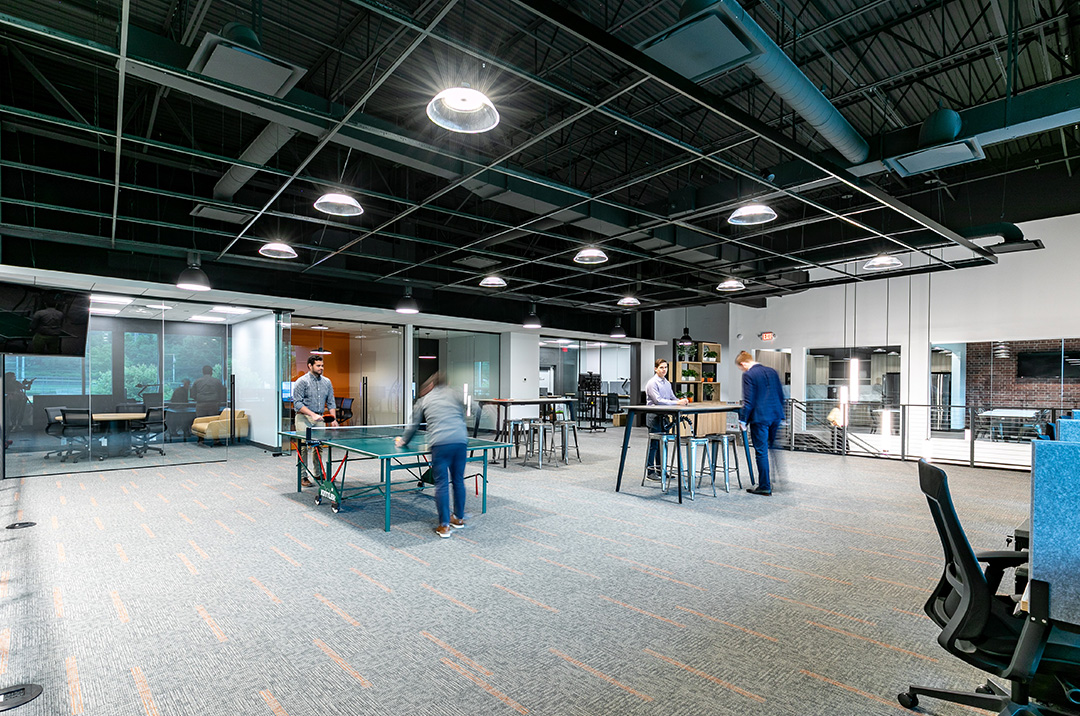
A sea of unused desks. A formal meeting room that’s rarely booked. Or that slightly drab breakout area nobody uses?
Your office might well still be allocating square footage to old work patterns. And in NYC and the wider Tri-State area, that’s potentially very expensive space to leave underused.
Solution: Analyze How Your Existing Workplace Is Being Used
Look for which spaces are constantly busy; which are ignored; where bottlenecks occur; what employees are asking for. The answers can help you redistribute space around the real behavior of your team.Look for which spaces are constantly busy; which are ignored; where bottlenecks occur; what employees are asking for. The answers can help you redistribute space around the real behavior of your team.
Sign 7. You Keep Apologizing for Your Office
Ever said any of these:
“Ignore that area, we’re planning to redo it”; “Don’t worry, we’re replacing those chairs”; “Sorry, the conference room tech’s a little temperamental.”
Could be that your business goals have out-evolved your physical space – and that disconnect becomes really obvious when clients, investors or potential employees walk through the door.
Solution: Make Your Workplace Tell Your Business’s Story
A renovation is an opportunity to bring your physical environment back into line with who you are today and where you’re heading next.
Sign 8. Everyone’s Together But Nobody’s Connecting
Your employees are in the office, but they’re sitting at their desks wearing headphones and joining virtual meetings with people 20 feet away.
Simply putting people in the same building doesn’t create collaboration or culture. The work environment has to make it happen.
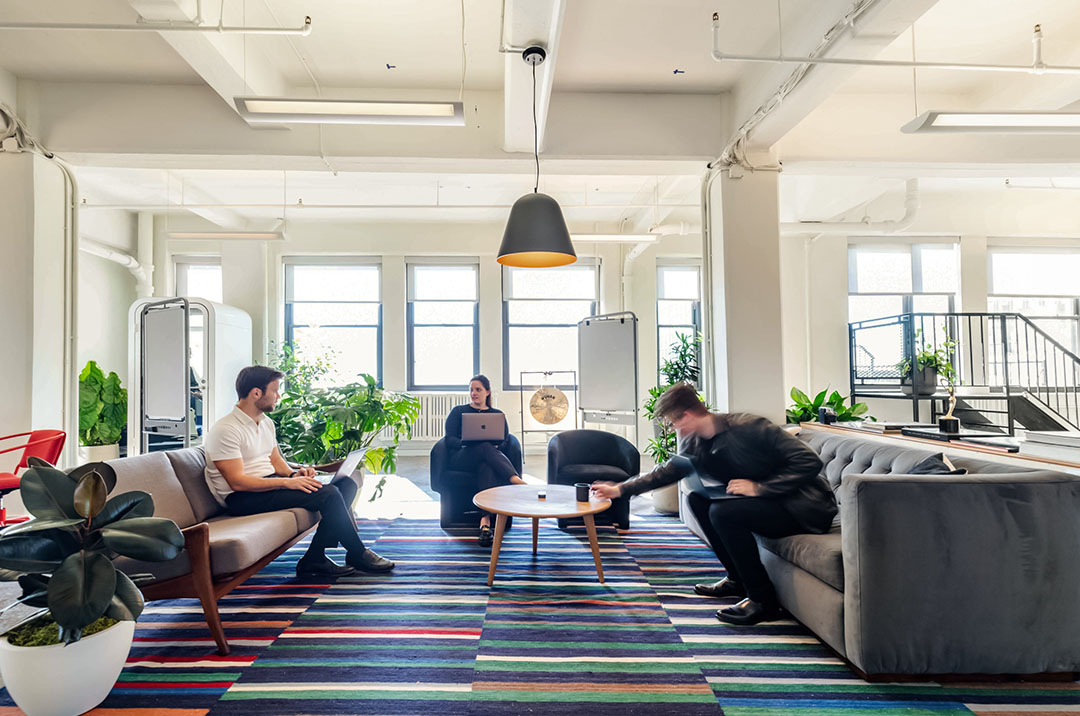
If there’s nowhere comfortable for an informal chat, nowhere for employees to spread out or places for people to cross paths naturally, your workspace isn’t working well.
Solution: Design For The Interactions You Want To Encourage
Cafés, social hubs, project rooms, collaborative areas and thoughtful floor plans can all create opportunities for planned and spontaneous connection.
Sign 9. You’ve Outgrown Your Office, Without Running Out of Space
Everyone says the office feels cramped. You’re considering expanding or relocating altogether.
Yet when you look around, there are empty desks and underused rooms everywhere.
Your business could have outgrown the floor plan rather than the office. Departments change, tech evolves, headcounts fluctuate and hybrid schedules alter occupancy. And still, some office layouts are frozen in time to a working era we grew out of a decade ago.
Solution: Reconfigure Before Your Relocate
A smarter layout, flexible furniture and spaces that serve multiple purposes can accommodate new ways of working within your existing footprint.
For CEOs facing high real-estate costs, understanding what your current space is capable of should come before assuming you need more of it.
Sign 10. Employees Keep Asking for “More”
More meeting rooms. Desks. Quiet spaces. Places to collaborate.
Hearing all of these requests at once can lead CEOs to think they need a bigger office, but this isn’t necessarily the case.
The problem might be the balance of the spaces – for instance, if a workplace gives too much space to one activity but not enough to another, employees might feel there isn’t enough of what they need.
Solution: Talk To Your Team Before Your Design
Employee feedback, workplace observation and utilization data can help uncover what people actually need rather than simply adding more of everything.
To sum up…
If you recognize one or two of these signs, it doesn’t necessarily mean it’s time to call in the contractors.
But if several sound familiar, it’s worth taking a closer look. Sometimes the warning signs we blame on hybrid work, recruitment, culture etc., are actually telling us something about the office environment itself.
So before you consider a move, think about a redesign. You may not need another 10,000 square feet – but just to rethink the square feet you already have.
A well-planned renovation can rebalance your floor plan, improve technology and acoustics, create better spaces for collaboration and focus, refresh your brand experience, and make the workplace somewhere people genuinely choose to spend time.
And that can be a very different proposition from the cost and disruption of starting again somewhere else.
Ready to ReImagine?
At RI Workplace, we’ve spent more than 35 years helping businesses rethink how their workplaces look, feel and perform.
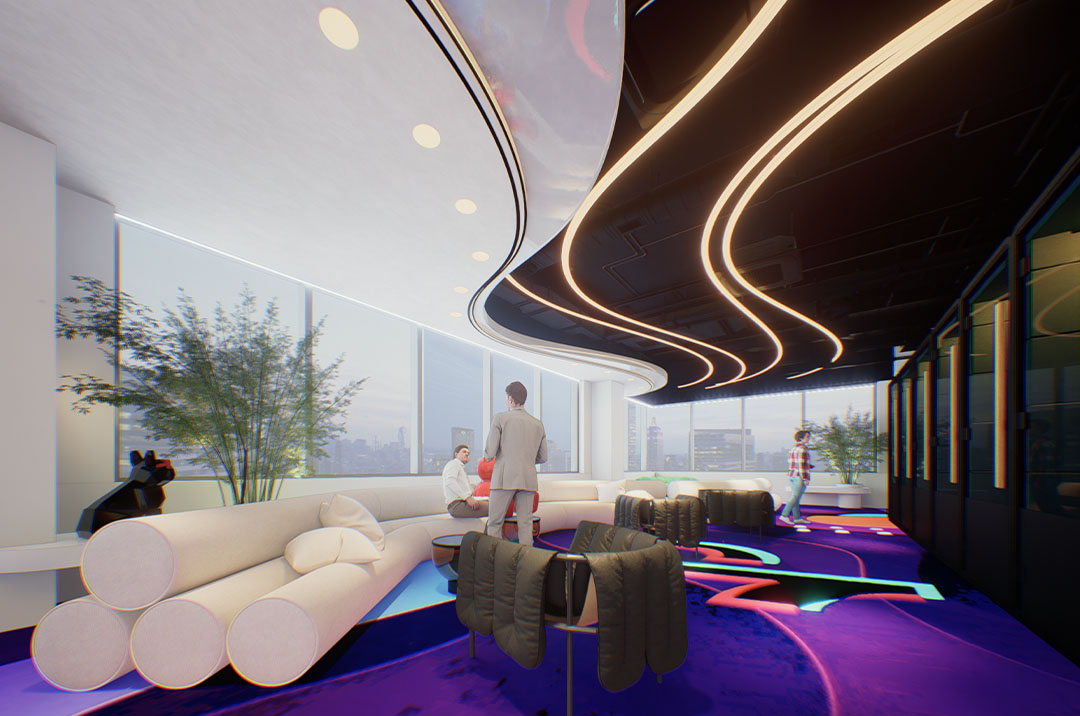
Through ReImagine by RI, we can even show you what’s possible before construction begins. Send us a photograph of your existing workplace and our team can create a professional 3-D concept rendering that helps you see your space with fresh eyes. Think your office is showing a few of the signs outlined in this blog? Reach out to the RI Workplace team today and we’ll be happy to help.