12 Nov 26 Workplace Design Trends and Ideas for 2026
With another year wrapping up, it’s time to look ahead. So what will the office of 2026 look like? What do busy CEOs need to keep an eye on, and which workplace design trends, team culture shifts, and technology changes will shape the way we work next year?
AI is now part of everyday life, hybrid working has settled in, and people’s expectations of where and how they work continue to evolve. Teams want flexibility, smart tech that makes life easier, and spaces that feel inspiring, whether they’re in the office or joining remotely.
Whether you’re planning a light refresh, a full redesign, or simply gathering ideas to share with your team, this guide brings together the key trends shaping 2026. It also includes 26 practical workplace design ideas to help you plan ahead.
Workplace Design Trends Shaping 2026
Between new technologies, changing team culture requirements, and ongoing uncertainty, the challenge for leaders is creating a workplace that genuinely supports its people. One that feels connected, adaptable, and built for what’s next.
The strongest workplace trends for 2026 are not just about aesthetics or technology. They are about creating spaces that support collaboration, flexibility, wellbeing, and long-term business growth.
Team Culture and Hybrid Work Trends
1. Hybrid by Design
Spaces should flex between collaboration and focus. A room may need to support a team meeting in the morning, then focused work later in the day.
2. Soft Retirement Spaces
A rising workplace trend, “soft retirement” supports people who want to scale back rather than step away. Relaxed collaboration spaces can help preserve experience, encourage mentoring, and build intergenerational connection.
3. Wellbeing as a Business Strategy
Quiet pods, natural light, and restorative zones are no longer viewed as perks. They are now important for productivity, wellbeing, and talent retention.
4. Empathy-Led Culture
Encourage connection with open forums, conversation corners, and transparent meeting spaces. These areas help build trust, communication, and stronger team relationships
5. Community Over Cubicles
Your office should feel like a destination. A place where people gather for purpose, creativity, and collaboration, not just attendance.
AI and Smart Workplace Technology Trends
6. AI-Optimized Workflows
AI can help automate administrative tasks and streamline projects. This allows teams to spend more time on creativity, strategy, and problem-solving.
7. Agentic AI Tools
Intelligent systems can help businesses map employee strengths and build more agile, skills-based teams. Tools such as Microsoft Copilot are already moving in this direction.
8. Smart Office Ecosystems
Lighting, temperature, and air quality systems can now adjust based on occupancy and employee preferences. Comfort and efficiency are becoming more connected.
9. One-Stop Digital Hubs
Centralizing tools, communications, and workplace resources into one platform can reduce friction. It can also improve collaboration and limit lost productivity.
10. Immersive Collaboration Tech
AR, VR, interactive screens, and enhanced video conferencing tools are improving hybrid meetings. The goal is to make remote and in-person collaboration feel more connected.
Office Design and Layout Trends
11. Modular Everything
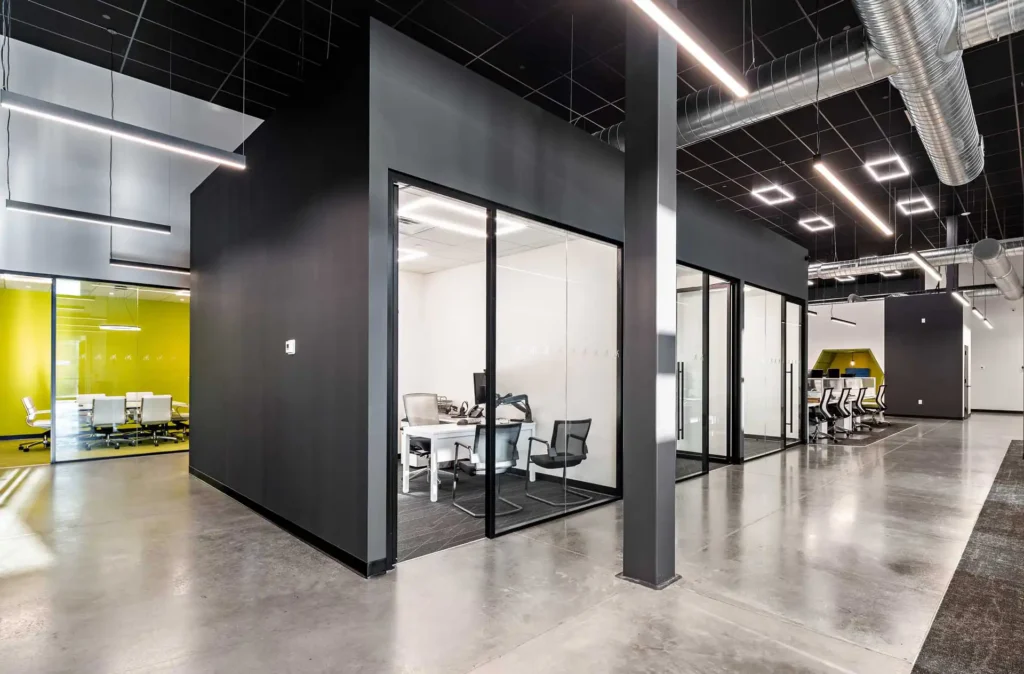
Movable walls, reconfigurable furniture, and flexible layouts make it easier to adapt your workplace over time.
12. Flexible “Third Spaces”
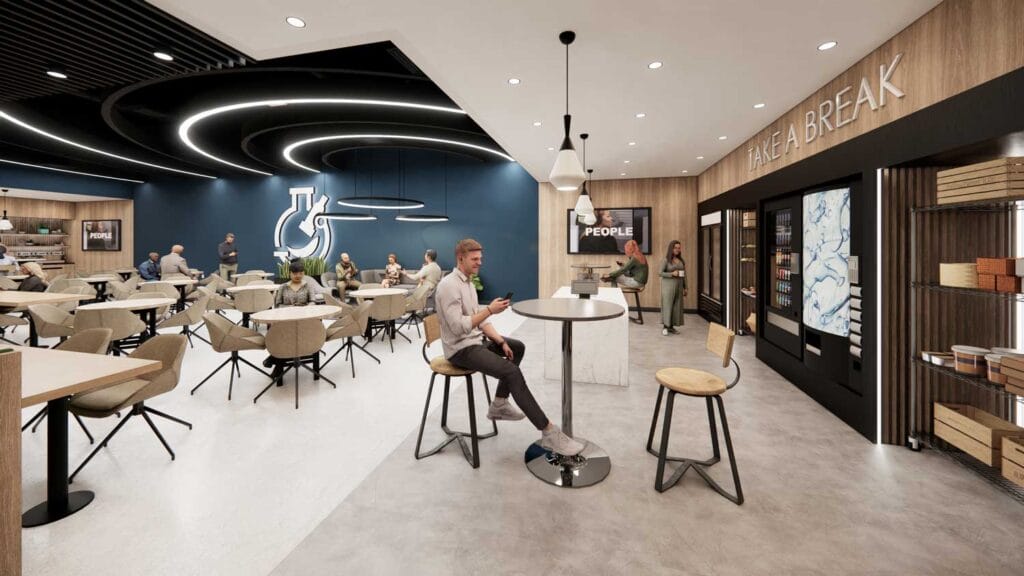
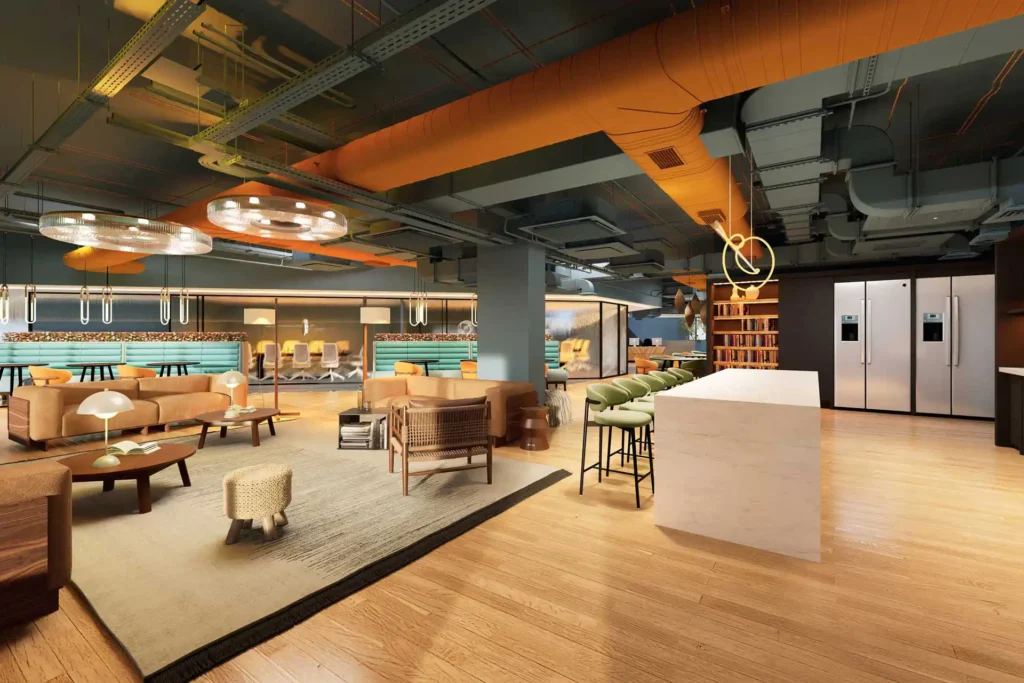
Cafés, lounges, terraces, and informal meeting areas blur the line between work and social interaction. They also encourage spontaneous collaboration.
13. “Workspitality”
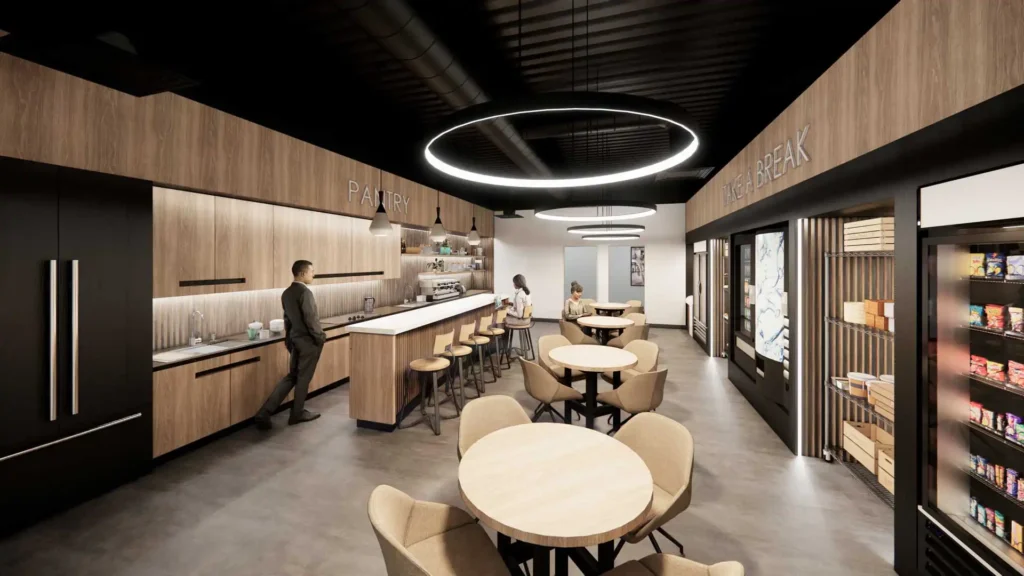
Hospitality-inspired workplaces continue to grow in popularity. Comfortable reception spaces, espresso bars, and welcoming client lounges can make offices feel more curated and less corporate.
14. Micro-Zoning
Smaller, purpose-built areas can support specific needs. These might include huddle zones, phone booths, reflection areas, and focus pods.
15. Outdoor Workspaces
Balconies, courtyards, and rooftop areas are increasingly being used as functional workspaces. They can support wellbeing, creativity, and employee experience.
Sustainable Office Furniture and Material Trends
16. Biophilic Design 2.0
Nature-led design is evolving beyond plants. Natural textures, organic materials, and lighting that follows the rhythm of the day are becoming more common.
17. Circular Furniture Systems
Modular, recyclable, and upgradable furniture systems help reduce waste. They also make future workplace changes easier.
18. People-Centric Design
People-centric design means creating spaces that support different personalities, work styles, and employee needs. This can include quiet rooms, collaborative areas, and social spaces.
19. Carbon-Conscious Construction
Low-VOC paints, environmentally conscious materials, and low-waste construction practices are becoming standard expectations in workplace projects.
20. Tech-Embedded Furniture
Furniture is becoming smarter. Desks and seating can now support charging, posture tracking, and workplace wellness technologies.
Leadership, Culture and Innovation Spaces
21. Authentic Leadership Zones
Transparent, informal spaces can help leaders stay visible and approachable. Drop-in areas and relaxed conversation zones make everyday connection easier.
22. Learning Corners
Dedicated spaces for mentoring, microlearning, and skills-sharing help make professional development part of daily workplace culture.
23. Psychological Safety Rooms
Private, trust-focused spaces can give employees somewhere to discuss challenges openly. These areas can support wellbeing, trust, and innovation.
24. Innovation Studios
Dedicated creative spaces give teams somewhere to brainstorm, test ideas, and solve problems together.
25. Brand Storytelling Through Design
Every material, texture, color, and finish shapes how employees and visitors experience your brand. Workplace design can make company identity feel tangible.
26. Data-Informed Design
Data-informed design uses occupancy insights, employee feedback, and space analytics to understand how the office is used. This helps businesses adapt layouts, meeting areas, and shared spaces as teams grow.
Looking Ahead
The workplace of 2026 won’t be defined by square footage, but by strategy. It’s about designing spaces that help people think better, feel better, and work better.
The best workplaces will help teams collaborate, focus, connect, and make better use of the time they spend together.
At RI Workplace, we believe design isn’t just about aesthetics – it’s about alignment. When your space reflects your values, supports your people, and drives your goals, it becomes a catalyst for growth and a place everyone is happy to be.