05 Jan 8 Fresh Design-meets-Culture Ideas for NYC Workplaces in 2026
Are you planning an office build-out for 2026?
Then our advice for the new year is: treat it as a people project first.
This is your chance to build a workplace that supports focus, connection, and different ways of working, not just a new floorplan that looks good on move-in day.
Despite all the noise about RTO mandates, the office isn’t a default setting anymore, especially in New York, where showing up comes with a real cost in time, transit, and energy.
So the workplace of 2026 has to outperform home and outperform yesterday’s office. Here are 8 design-meet-culture solutions we’re using with NYC clients right now to make that happen.
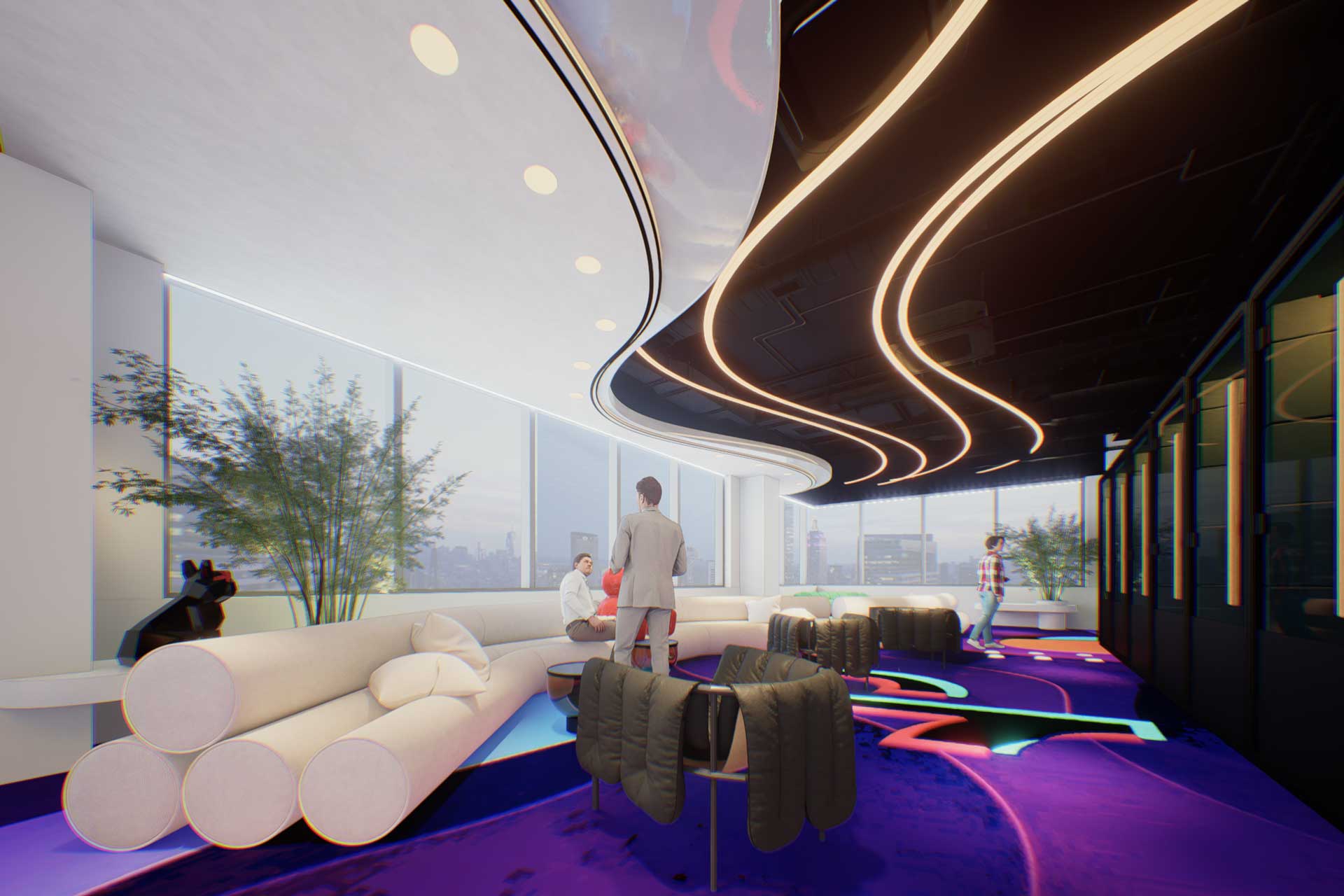
1) Lean into Hospitality Style Spaces
Workplaces are leaning into hospitality, but not in a “cocktail bar and pool at 5 p.m.” way. The 2026 social energy is daytime, wellness-forward, and sensory-smart. It’s about creating a place people want to be while they’re at their best.
What this means in design:
- Café culture that works all day. Great coffee – and seating that supports casual work and conversation.
- A welcoming atmosphere created through warm materials, layered lighting, biophilia, soft acoustics, and furniture that doesn’t rush anyone out!
- Micro-experiences that feel alive. This could look like inviting a local partner in to provide baked goods or seasonal snacks; or creating a chill-out nook near the social hub.
This isn’t about turning the office into a lounge, but more about lowering employees’ stress and inviting connection, so people are in the best frame of mind to do great work.
2) Give Your People Lots of Spaces – and Room to Choose
Employees can’t do their best work if they’re constantly hunting for a decent spot in the office to do it. This means the right kinds of spaces trumps more seats (really the foundation for flexibility). In design terms, this looks like:
- A varied mix of spaces, such as focus corners, collaboration hubs, small meeting niches, restoration zones, and quick touchdown points.
- Choice of seats that employees don’t have to fight for, so your people can find a spot that fits their workstyle and not just be pushed into a corner.
- Quality over quantity. The spaces you have need to work. Better to have fewer done well than a lot of spaces that don’t work.
3) Design for Neuro-Inclusion (because one “normal” never fit anyone)
Open offices, constant motion, bright lights, layered smells, surprise conversations – the modern workplace can be energizing for some people and exhausting for others. In 2026, designing for neurodiversity isn’t a bold move: it’s basic good design.
Neurodiversity reflects the natural range of how people think, focus, learn, and process the world. That includes many neurotypes – such as ADHD, autism, dyslexia and dyspraxia – each bringing different strengths and different sensory thresholds. The key takeaway for workplace design is simple: the same environment doesn’t feel the same to everyone.
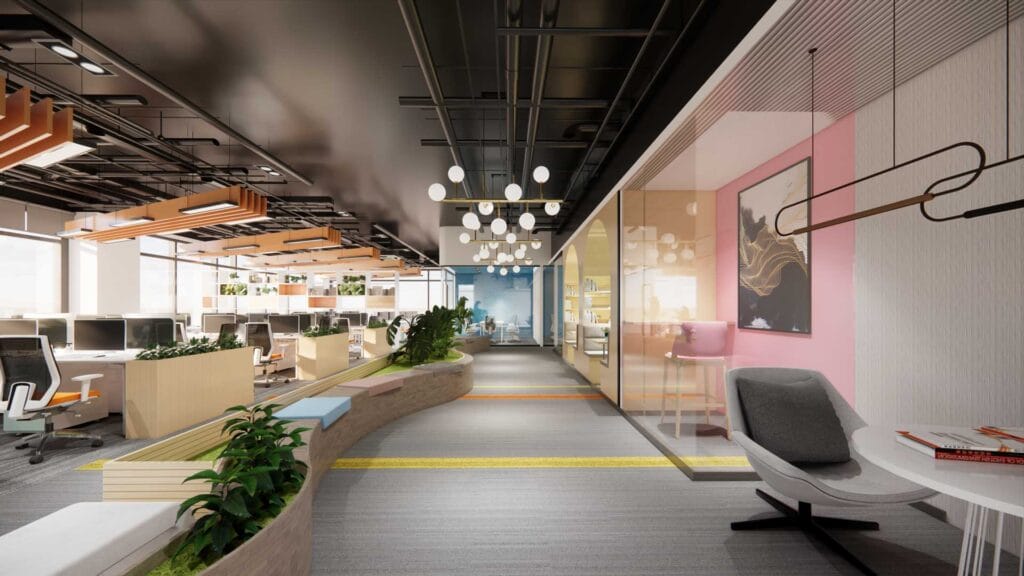
What neuro-inclusive design looks like in practice:
- Variety that’s truly usable. Offer spaces with different stimulation levels – quiet rooms, low-visual-noise focus zones, calm lounge settings, and energized collaboration hubs, so people can choose what supports their brain in that moment.
- Ability for employees to control their own environment: adjustable task lighting, dimmable zones, movable screens, acoustic options, and user-friendly booking tools help people plan their day around what they need, not what’s left.
- Sensory-smart defaults. You can reduce common triggers, such as harsh glare, constant background noise, overwhelming patterns, and strong scents, by incorporating softer acoustics, predictable lighting, and tactile materials that feel grounding rather than distracting.
- Incorporating policies that match the space is a must. This looks like flexible schedules, remote-work options, and clear norms about focus time.
- Culture that makes asking safe. Mentorship, ERGs, and a visible commitment to inclusion help neurodivergent employees feel supported instead of singled out.
4) Design for Easy Movement
Convenience isn’t always the best tactic. If everything is next to everything, nothing works properly. The workplace of 2026 uses intentional distance to support flow and prevent overstimulation for people who need calmer environments.
What this means in design:
- Let collaboration live where it can be lively – and protect focus areas so they stay genuinely calm. The layout should do the work – and “quiet please” signs should not be necessary!
- Movement with benefits. Short walks to better spaces improve concentration and morale.
- A floorplan with rhythm. Design busier social spaces at the core, quieter spaces around the perimeters, and transition spaces in between.
5) Design for Real Connection
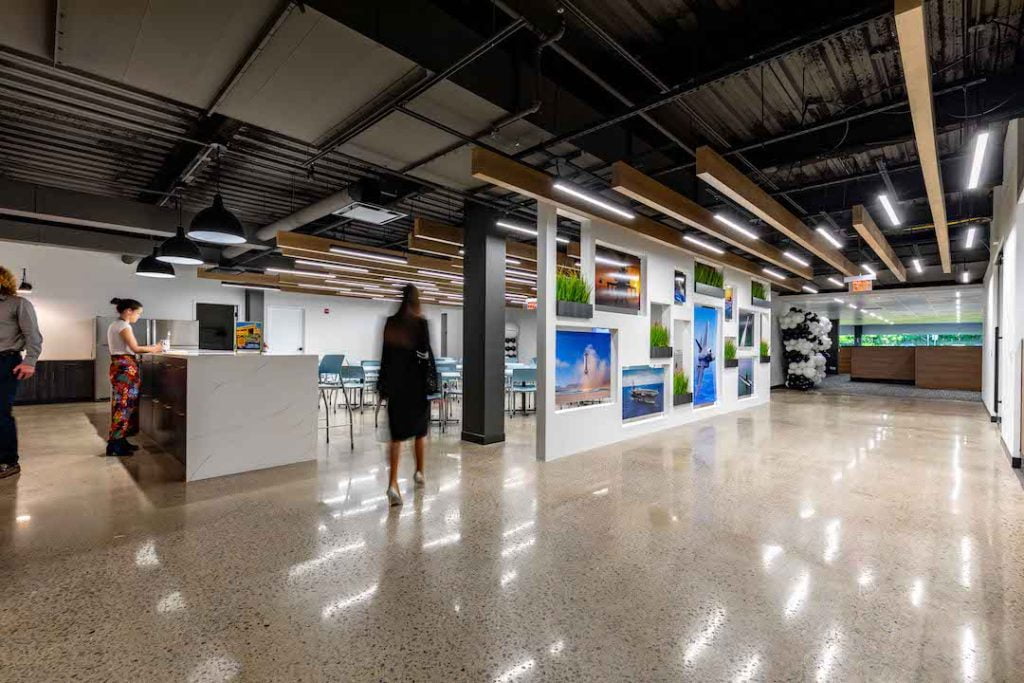
2026 isn’t about showing how many people are in the office. It’s about showing why it’s worth coming in. A workplace can be half full and still feel buzzy – or packed and somehow flat.
What this means in design:
- Make it easy to bump into people in a good way. This includes spaces like central cafés, stair landings, and little “pause spots” that invite a quick hello, a spontaneous chat, or a working catch-up.
- Give spaces some soul. Bring your neighborhood into your workplace, creating shared areas that feel warm and specific, not like they could belong to any company on any floor.
- Let people be social in their own way. Social zones should have quieter edges and soft landings, so connection doesn’t require full extrovert energy. This is a key part of designing for all personality types.
6) Plan for Career Moments, Not Age Groups
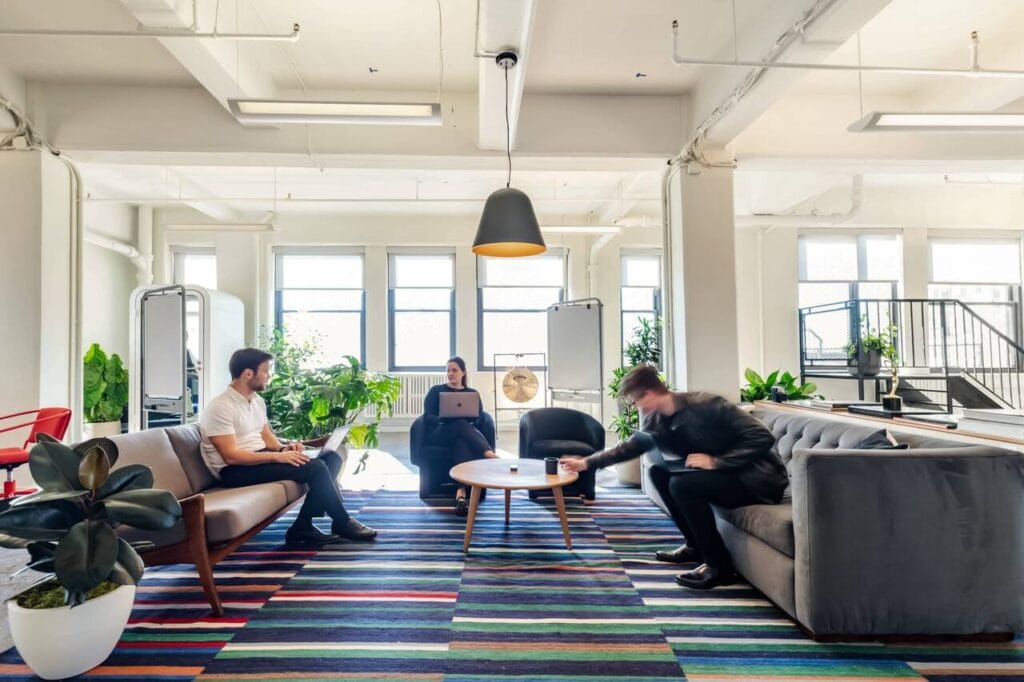
Designing by generation is old news. What really shapes how people use the office is where they are in their career, and what they’re responsible for right now.
What this means in design:
- Early-career zones: could look like easy-to-access coaching rooms, learning lounges, and spaces where newer team members can pick things up quickly.
- Mid-career zones: strong collaboration rooms, maker spaces, and hybrid setups that don’t make meetings feel like a chore.
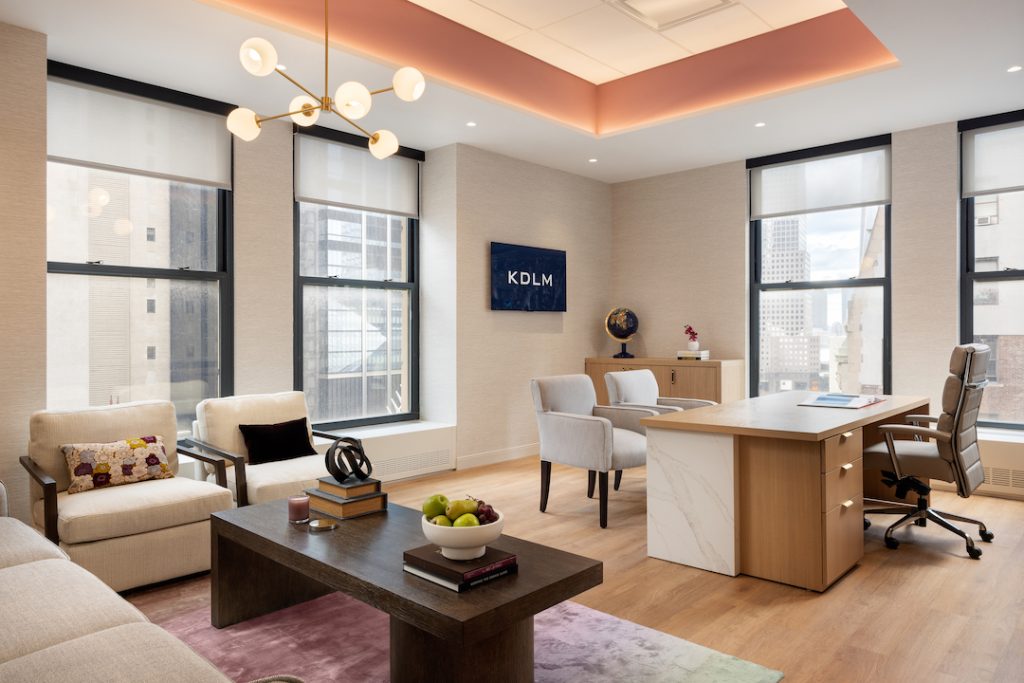
- Senior zones: places that keep leaders close to their teams, support mentoring, and make it possible to be present without being constantly interrupted.
7) Blend Physical and Digital Until It Feels Effortless
In 2026, the best tech is the kind you barely notice, because it just works. People don’t want to go on the hunt for it, they want the office to make sense with tools that save the day instead of adding extra steps (and headaches). That matters for everyone, and especially for people who work best when things are predictable and easy to control.
What this means in design:
- One clear, simple experience. From arriving to choosing a space, to meeting, to heading out, your workplace should feel intuitive, not like a system you have to learn.
- Tech that supports quietly in the background. Booking, sensors, and AV should remove friction, not create new routines or headaches.
- Spaces that do what they promise for example, a focus pod that is actually quiet, a meeting room that works every time, and a lounge that lets you either settle in with a laptop or talk comfortably.
8) Design for AI as a Teammate, Not a Tool
For the last few years, AI mostly sat in the background. Something you turned to when you needed a quick answer. In 2026, it’s showing up more like a collaborator. And when your tools start acting like teammates, the office space has to shift with them.
What this means in design:
- Places to work with AI together. Project rooms and team bays where people can think out loud, sketch, test ideas, and iterate with AI right there in the mix, not as a separate step after the fact.
- Rooms that are easy to talk in and easy to be seen in. Clear acoustics, less noise, and great lighting that makes hybrid meetings feel natural instead of draining.
Conclusion
The workplace of 2026 is about better focus, better connection, better tools, better rituals, and better use of everyone’s time.
In NYC, where the commute is real and the talent market is competitive, the office has to feel worth it the second you walk in. These 8 solutions are how we design spaces that don’t just keep up with work in 2026, they actively make it better for more kinds of people – more of the time.