
10 Apr 35 Years of RI Workplace: 35 Lessons That Define Great Offices
Thirty-five years ago, offices looked very different.
Workplaces were designed around rows of desks, private offices, and rigid hierarchies. Technology was limited, collaboration often happened behind closed doors, and the idea of hybrid work would have sounded like science fiction. Since then, the workplace has undergone a remarkable transformation.
Over three and a half decades of designing and building offices across New York, New Jersey and beyond, the RI Workplace team has seen firsthand how work environments evolve alongside business needs, technology, and culture. While trends come and go, some lessons remain constant. Others have emerged as the workplace itself has changed.
To celebrate our 35th anniversary, we’re sharing 35 lessons we’ve learned about office design, construction, and workplace strategy.
Designing for People
1. Design around people, not desks.
The most successful offices start with understanding how teams work, collaborate, and focus throughout the day.
2. Choice drives productivity and removes friction.
When employees can choose between quiet zones, collaborative areas, and social spaces, productivity improves naturally.
3. Hospitality belongs in the workplace.
Welcoming environments inspired by hotels and cafés make offices more comfortable, intuitive, and engaging.
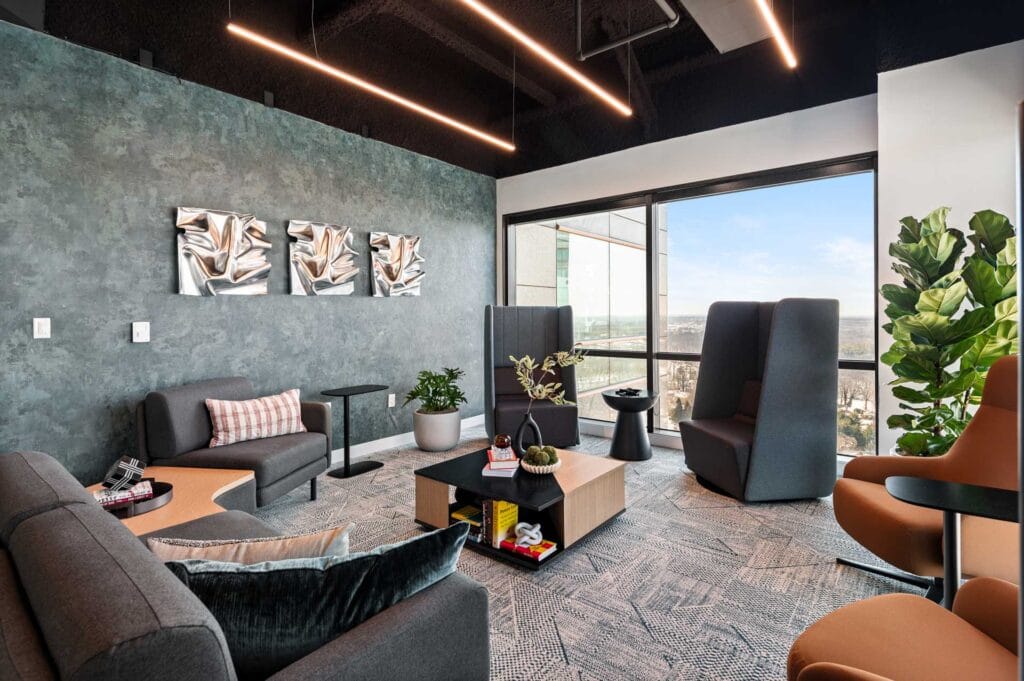
4. Great offices support different ways of working.
The modern workplace must accommodate focused work, team collaboration, and informal interaction within the same environment.
5. Neuro-inclusive design is simply good design.
Spaces that reduce sensory overload and offer a range of environments help people with disabilities perform at their best.
6. Natural light improves focus and wellbeing.
Access to daylight consistently ranks among the most important factors for employee satisfaction.
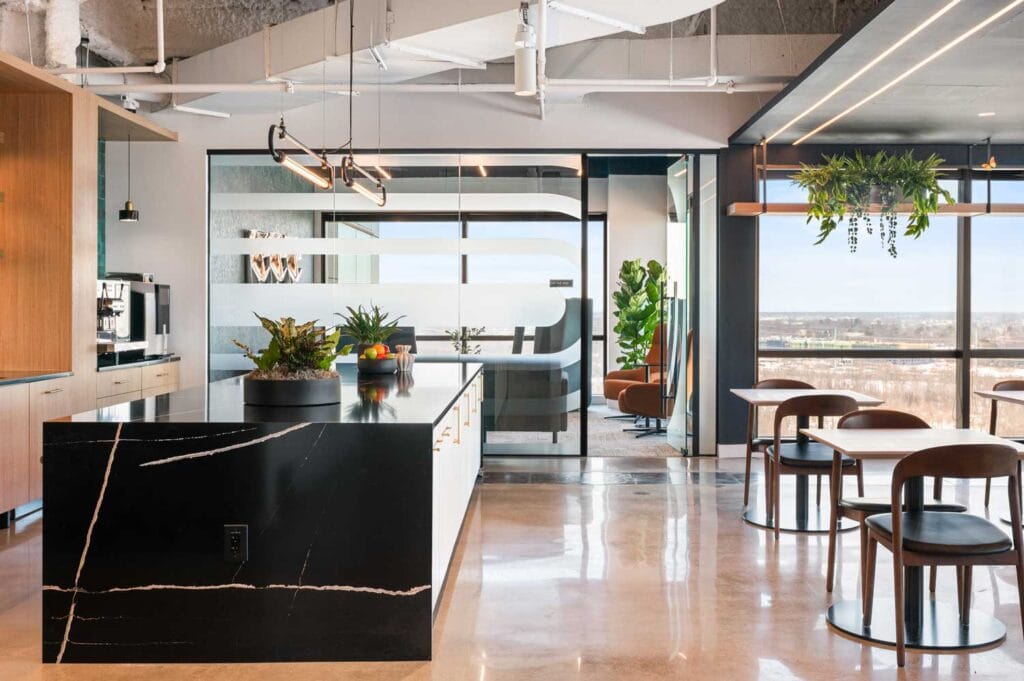
7. Warm materials and thoughtful lighting reduce stress.
Design details like wood finishes, layered lighting, and soft acoustics can significantly improve how a space feels.
8. Movement through the workplace improves energy.
Layouts that encourage walking between zones can help boost focus and creativity throughout the day.
9. The best workplaces create opportunities for connection.
Shared spaces such as cafés, stair landings, and lounges naturally encourage conversation and collaboration.
10. Productivity is designed at the floorplan level.
The layout of a workplace determines how easily people can focus, collaborate, and move through their day.
Creating Connection and Culture
11. Community beats cubicles.
Today’s offices are designed to bring people together rather than keep them separated.
12. Informal spaces often spark the best ideas.
Some of the most valuable conversations happen outside formal meeting rooms.
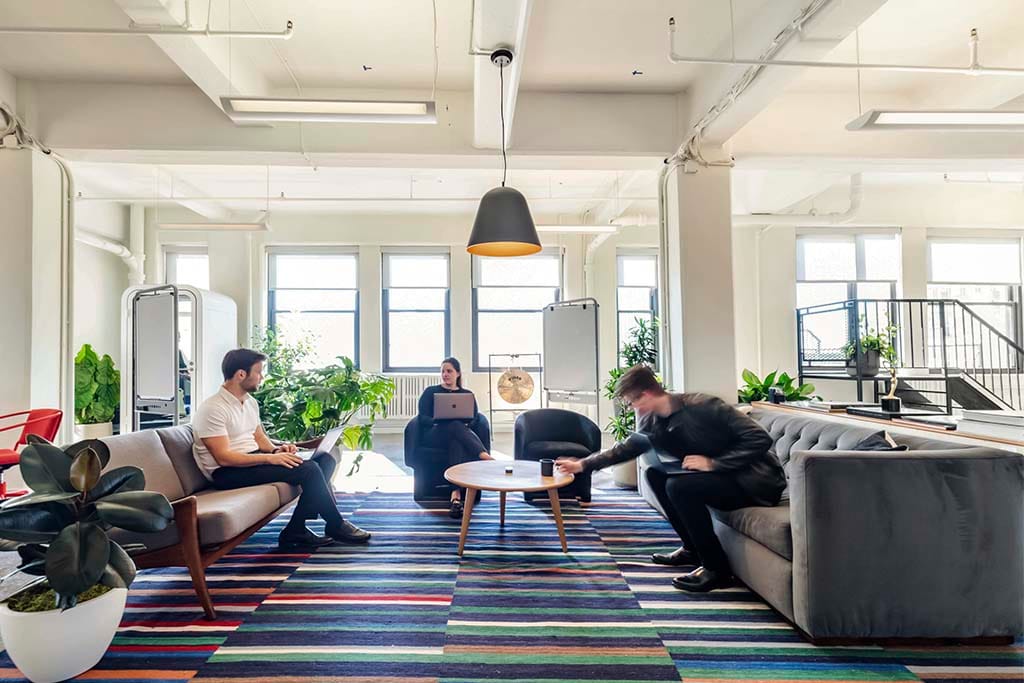
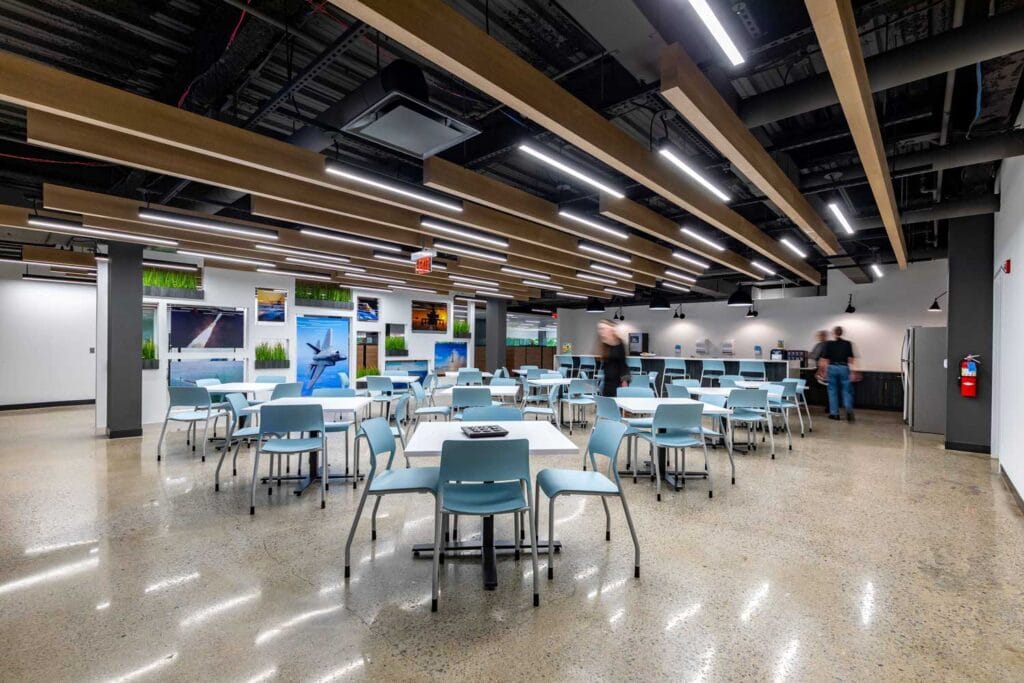
13. A café can be the heartbeat of an office.
A well-designed café space can become the central hub where employees connect throughout the day.
14. Great workplaces feel welcoming from the moment you arrive.
Reception areas and entry spaces set the tone for both employees and visitors.
15. Your office should reflect your company’s identity.
Design elements, materials, and branding can communicate your culture and values.
16. Design can strengthen company culture.
The layout and atmosphere of a workplace influence how people collaborate and interact.
17. Connection should happen naturally, not by mandate.
The best workplaces encourage interaction without forcing it.
Smart Real Estate Decisions
18. Your office is one of your biggest strategic assets.
Workplace decisions affect recruitment, productivity, culture, and long-term business performance.
19. Everything in a lease is negotiable.
With the right preparation and expertise, companies can often secure more favorable terms.
20. Hidden costs can undermine a great location.
Understanding utilities, maintenance costs, and infrastructure requirements is essential before signing a lease.
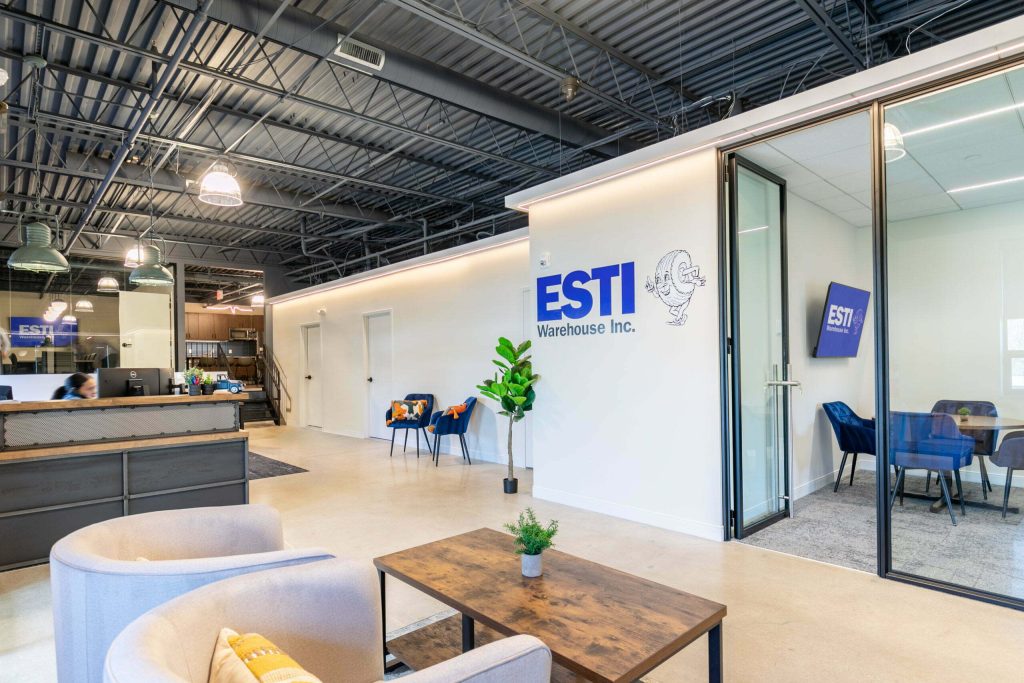
21. Always plan your workplace for growth.
Designing with expansion in mind can prevent costly relocations or renovations later.
22. Density does not equal performance.
The best workplaces focus on space variety rather than squeezing in more desks.
23. Subleasing can unlock hidden value in unused space.
Underutilized square footage can become a revenue stream or strategic opportunity.
24. Location still matters for talent and culture.
Accessibility, neighborhood amenities, and commute times all influence how employees experience the workplace.
Building Smarter
25. The best workplaces are designed before they’re built.
Detailed planning and visualization help ensure the finished space matches the vision.
26. Solve problems on screen, not on site.
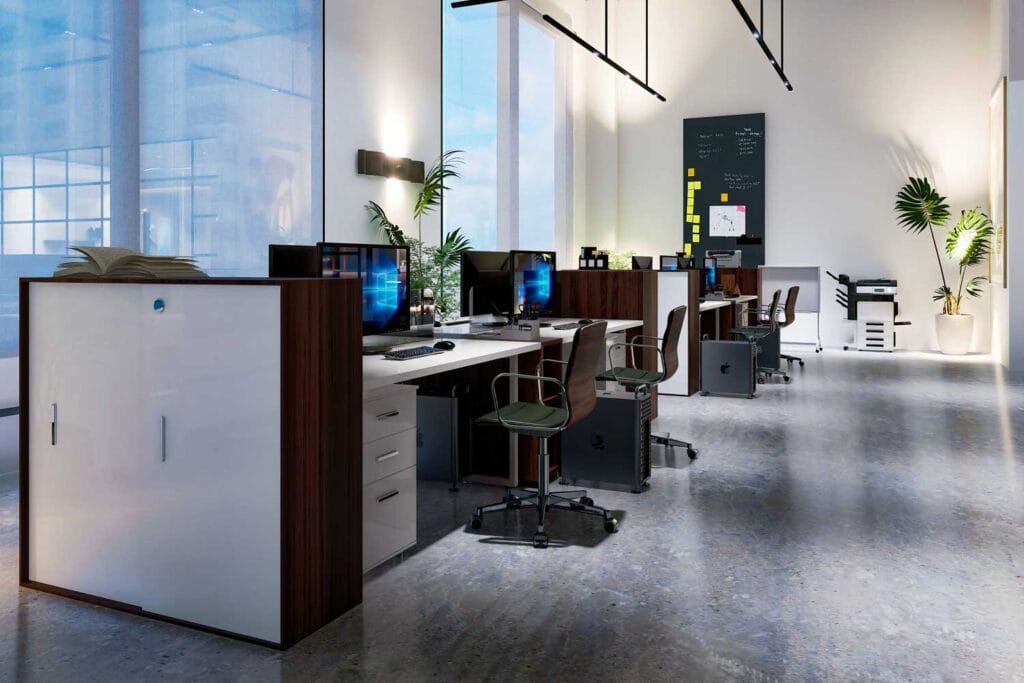
3-D renderings and walkthroughs allow teams to refine designs before construction begins.
27. Visualization reduces construction risk.
When everyone can see the future workspace clearly, decisions become easier and faster.
28. Shared understanding prevents costly mistakes.
Engaging stakeholders early helps align expectations and avoid expensive revisions later.
29. Miscommunication is the enemy of project timelines.
Clear collaboration between designers, contractors, and clients keeps projects moving smoothly.
30. Integrated design-build teams deliver faster results.
A unified team reduces handoffs, simplifies communication, and accelerates timelines.
Future-Ready Workplaces
31. Flexibility is the foundation of modern workplaces.
Organizations need spaces that can evolve as work patterns change.
32. Technology should simplify work, not complicate it.
The best workplace technology disappears into the background and simply works.
33. Sustainability is now the baseline.
Energy-efficient systems, responsible materials, and carbon-conscious construction are now expected.
34. Offices must earn the commute.
In cities like New York, workplaces must offer value employees cannot get at home.
35. Great workplaces evolve with the people who use them.
The most successful offices are designed to adapt as teams grow and change.
Looking Ahead to the Next 35 Years
At RI Workplace, we’re proud to have spent the last 35 years helping companies design and build workplaces that support their people, their culture, and their long-term goals.
From corporate headquarters and flexible offices to life sciences facilities and data centers, our mission has remained the same: to create environments where businesses can thrive.
And while the workplace will continue to evolve, one thing is certain: thoughtful design and smart construction will always be essential.
Here’s to the next chapter.